Introduction
Starbucks’ story began in 1971 at Seattle’s historic Pike Place Market. It has since grown into an international coffee powerhouse. With a long-standing reputation for social responsibility, community engagement, and premium-quality coffees, Starbucks has profoundly reshaped the global coffee landscape. According to the company, their mission is:
“With every cup, with every conversation, with every community- we nurture the limitless possibilities of human connection.”
Their broader aspiration is to be people centered, creating positive change wherever they do business. That means caring for the well-being of their employees (or “partners”), supporting the farmers who grow their coffee, and showing up for the customers and communities they serve (Starbucks, n.d.). In this post, I’ll explore how recent ethical and public image challenges have tested this narrative and influenced consumer engagement.
Ethical or Legal Issues
A lawsuit filed in April 2025 brought attention to labor conditions on Brazilian coffee farms connected to Starbucks through a supplier relationship. The case, brought by International Rights Advocates, alleged that workers were misled by recruiters, promised fair wages and housing, and instead faced unsafe conditions and unfair deductions. This treatment that may meet the legal definition of forced labor under U.S. law (Associated Press, 2025). The situation challenged Starbucks’ long-standing emphasis on ethical sourcing and raised important questions about oversight in complex global supply chains.
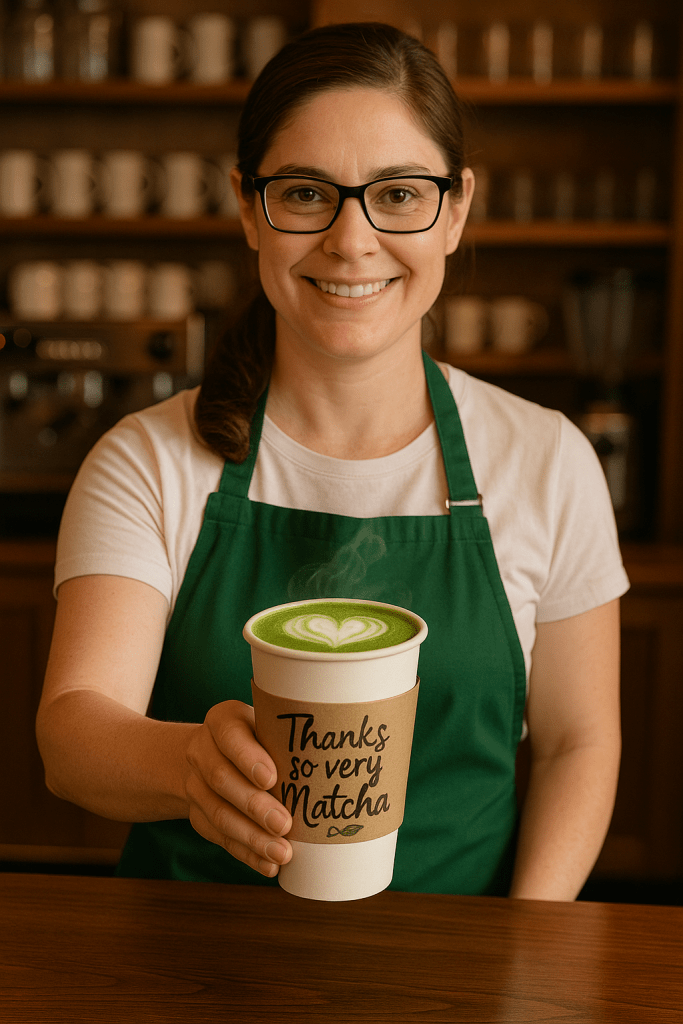
At the same time, Starbucks faced internal concerns related to partner (employee) experience. In mid 2025, baristas at some locations reported feeling pressured to write uplifting messages on customer cups. While the intent was to foster connection and positivity, the shift from a voluntary act to something that felt expected caused some partners to question its authenticity (Secon, 2025).
These examples show the importance of aligning brand values with day-to-day realities. When a company builds its reputation on ethics, transparency, and human connection, even small disconnects can influence how both consumers and employees engage with the brand.
Consumer Perception and Engagement
These ethical concerns have had a noticeable impact on how consumers view and interact with the Starbucks brand. For many customers, the lawsuit brought into question the strength of Starbucks’ ethical sourcing claims. This is especially true for those who value fair labor and transparency. While the company has long promoted its C.A.F.E. Practices and partnerships with supply chain certifiers, stories of worker mistreatment have emerged. These stories created uncertainty about whether those standards are consistently upheld. This disconnect can lead to disappointment. It can also foster distrust, especially among socially conscious consumers. These consumers expect more from brands that speak openly about their values.
Recent consumer research supports this shift. According to Mintel (2025), 66% of consumers actively research brands to verify their eco and ethical claims. Younger generations are especially attuned to these values. Gen Z and Millennial generations in particular prioritize ethical workplace practices. They emphasize social justice and transparency. This means they are more likely to hold brands accountable for missteps.
The internal concerns around cup messaging also added to this evolving perception. Customers may appreciate a positive note on their cup. However, if they learn that baristas felt pressured to write them, it can make the gesture feel less genuine. In a brand built on connection and community, authenticity matters. When that authenticity comes into question, even small details can affect how people feel about their overall experience.
Despite these challenges, Starbucks still maintains a loyal customer base. Many consumers continue to support the brand because of the familiarity, convenience, and quality they associate with it. However, growing awareness of labor practices and internal culture may influence future engagement, especially as younger generations continue to drive demand for brands that live up to their ethical promises while remaining accessible.
Implications for the Brand
When a brand like Starbucks build its identity around human connection, ethical sourcing, and social impact, it invites the public to higher expectations. The recent controversies have challenged Starbucks to live up to its values in both its global supply chain and its in-store culture. If the company doesn’t address these situations with transparency, it risks eroding consumer trust, particularly among younger generations who are shaping the future of the market.
The situation also has internal implications. Starbucks partners are essential to the customer experience and are often consumers of Starbucks as well. If partners feel undervalued or pressured to perform scripted acts of connection, that may come across to customers and diminish the brand’s authenticity. A brand rooted in warmth and community must ensure that its culture supports the people delivering that experience every day.
That said, Starbucks is not without the tools to recover. Its strong brand recognition, loyal customer base, and long history of corporate social responsibility give it a platform to make meaningful changes. Transparency, accountability, and a renewed investment in both worker and supplier relationships will be important not only for future public perception but also for long-term brand equity.
What Could Have Been Done Differently
To maintain stronger consumer engagement and uphold its values, Starbucks could have taken a more proactive and transparent approach in responding to recent concerns. In the case of the labor allegations in Brazil, the company might have released a more detailed public statement acknowledging the seriousness of the claims and outlining immediate steps to review its supply chain partnerships. This could have included launching an independent investigation, publishing sourcing data, or increasing third-party auditing efforts to rebuild trust with ethically conscious consumers.
When it comes to the internal policy around writing uplifting messages on cups, Starbucks could have better supported its partners. They could have made it clear that the gesture was completely optional. It should not have been tied to performance expectations. Inviting partners to share their own creative ideas or positive messages voluntarily would have likely felt more authentic, for both partners and customers.
Conclusion
Starbucks has built its brand around more than just coffee. It represents connection, community, and a commitment to doing business responsibly. But as recent challenges have shown, maintaining that identity takes ongoing effort and accountability. Ethical sourcing issues and internal concerns about authenticity have impacted how consumers and employees engage with the brand, especially among younger generations who prioritize values, fairness, and transparency.
Moving forward, Starbucks has the opportunity to rebuild its practices more closely with its promises. When a brand centers people in its mission, that commitment has to be visible at every level. This includes everything from the farms where coffee is grown to stores where it is served. By listening, responding, and staying open to change, Starbucks can continue to evolve and grow. It will remain a brand that people and partners not only enjoy but also believe in.
References
Associated Press. (2025, April 24). Labor group sues Starbucks, saying it ignores slave-like conditions for workers in Brazil. AP News. https://apnews.com/article/starbucks-brazil-slave-labor-coffee-5745f08672833104e058d225a207c6cf
DALL·E. (2025). Barista serving a cup of coffee with “Thanks so very Matcha” message. OpenAI. https://openai.com/dall-e
Mintel. (2025). Green and conscious household consumer – US – 2025. https://clients-mintel-com.eu1.proxy.openathens.net/report/green-and-conscious-household-consumer-us-2025?fromSearch=%3Ffreetext%3Dfair%2520labor%26resultPosition%3D1
Secon, H. (2025, July 11). Starbucks baristas say they’re being pushed to write uplifting messages on customers’ cups—again. Business Insider. https://www.businessinsider.com/starbucks-baristas-write-coffee-cup-messages-2025-7
Starbucks. (n.d.). About us. Starbucks Coffee Company. https://www.starbucks.com/about-us/
 Marketing Adventure
Leave a comment