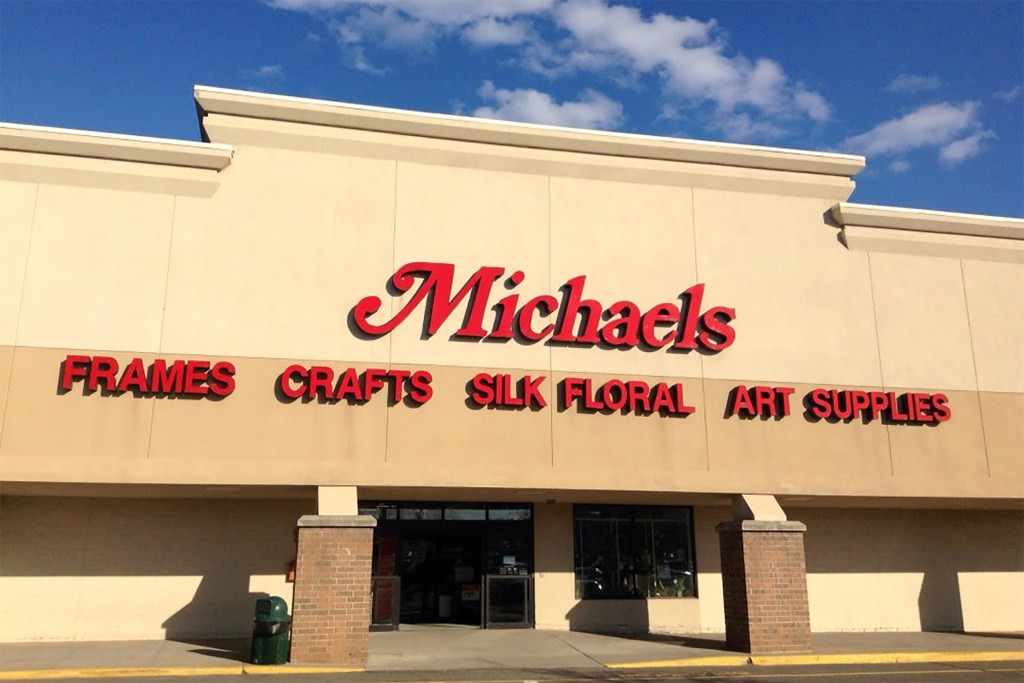
How Michaels Reaches Every Crafter
When I think about how well a company understands its customers, Michaels comes to mind. I recently bought two skeins of chunky Bernat yarn for a blanket I am making for my daughter. I have recently become more aware of marketing strategies that companies use because of the marketing classes I have taken. Michaels has an app that sends personalized coupons, a rewards program that tracks crafting habits, and text messages with limited time offers. It is clear that they understand that today’s crafters are not a single type of customer. They are students, parents, grandparents, small business owners, and hobbyists who sell their creations online.
Market Segments and Strategies
Michaels uses several segmentation strategies to appeal to its broad audience. Demographically, they target adults, mostly women, between their mid-twenties and sixties who enjoy arts, crafts, and home decor. According to Mintel (2025), women are more likely than men to engage in creative hobbies such as knitting, crocheting, and home décor projects, which aligns with Michaels’ target audience. Psychographically, they focus on creative self-expression and the satisfaction that comes from making something by hand. I can testify to that feeling. Michaels’ messaging taps into the emotional value of crafting by emphasizing creativity, relaxation, and the joy of giving handmade gifts. Behaviorally, the company uses loyalty data to send personalized discounts based on previous purchases, such as yarn coupons for knitters or paint offers for artists. Geographically, they tailor promotions to local store events or seasonal weather patterns, such as promoting indoor crafts during Ohio’s cold winters.
Key Points for Effective Segmentation
There are a few lessons marketers can learn from Michaels’ approach:
- Use data to personalize outreach. Apps, websites, and rewards programs provide insight into what customers actually buy and how often they shop.
- Connect emotionally, not just functionally. Crafting fulfills deeper needs for creativity and stress relief, so messaging should reflect those values.
- Be consistent across channels. Michaels integrates its website, app, texts, and in-store promotions, creating a unified shopping experience.
- Adapt to customer behavior. As shoppers shift from printed mailers to digital content, Michaels adjusted its strategy rather than clinging to older formats.
- Reward loyalty. Exclusive coupons and early sale alerts keep customers engaged and feeling appreciated.
A New Market Segment to Explore
One new market segment I have noticed emerging is younger eco-conscious crafters. These customers want sustainable materials and zero-waste project ideas. Many of them shop online for recycled or organic yarn, natural dyes, or upcycled craft supplies. Mintel’s (2025) research shows that younger consumers are increasingly motivated by sustainability and prefer brands that offer eco-friendly materials and responsible sourcing. Michaels could attract this group by expanding its eco-friendly product line and creating a segmentation strategy focused on sustainability. This could include a “Green Crafting” category online, social media tutorials on using repurposed materials, and a loyalty bonus for recycling craft packaging in stores.
Connecting to Consumer Behavior
According to Consumer Behavior by Babin and Harris (2021), market segmentation helps companies create greater value by aligning products and messaging with the unique motivations of each group. Michaels demonstrates how understanding customer lifestyles, emotions, and buying patterns can strengthen loyalty and enhance the overall shopping experience. By keeping up with changing values such as sustainability, Michaels can continue to inspire creativity and maintain its position as a leader in the crafting industry.Connecting to Consumer Behavior
Conclusion
Michaels is a great example of how effective segmentation can turn a simple craft store into a personalized experience for every kind of creator. By understanding who its customers are, what motivates them, and how their values evolve, Michaels has built a brand that feels both familiar and forward-thinking. As crafting trends continue to change, the company’s ability to adapt its segmentation strategies will be what keeps customers coming back—whether they are lifelong knitters or new eco-conscious makers exploring their first DIY project.
References
Babin, B. J., & Harris, E. (2021). CB (9th ed.). Cengage Learning US. https://mbsdirect.vitalsource.com/books/9798214339405
Mintel. (2025). Arts and crafts – US – 2025. Mintel Group Ltd.
 Marketing Adventure
Leave a comment