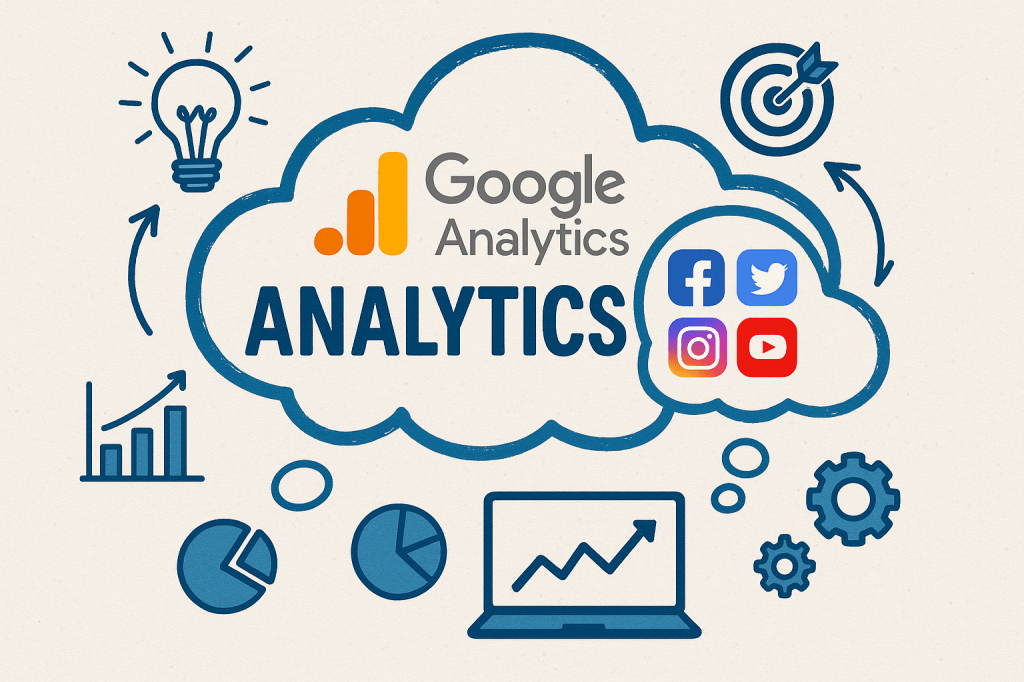
Using Analytics and Social Listening to Build Better Marketing Plans
As I learn more about market segmentation, I’m beginning to understand how detailed and insightful the process becomes when marketers use data to truly understand their audience. Before taking this class, I pictured segmentation as choosing age groups, income levels, or locations. Now I’m starting to see how much more thoughtful and layered it can be, especially when marketers use tools like Google Analytics and social listening platforms to guide their decisions.
Using Google Analytics to Identify Audience Patterns
Google Analytics is one tool that has helped me see how much information is available to marketers. At first glance, the dashboard can feel overwhelming, but once you learn what the data represents, it becomes incredibly useful. Google Analytics provides details about who is visiting a website, how they got there, and what they did once they arrived. This includes demographic information, user behavior, device types, and engagement patterns.
According to Forbes, Google Analytics helps businesses understand user behavior so they can create more targeted and effective strategies (Forbes Business Council, 2022). This matters for segmentation because it shows marketers not only who their audience is but also what they respond to. For example, if most website visitors are browsing on mobile devices, the brand knows to prioritize mobile optimization. If certain pages get a lot of traffic but people leave quickly, the company may need to adjust messaging or layout.
Insights like these help marketers build a stronger marketing plan. They can tailor their messaging, choose the right platforms, and develop content that aligns with the behavior patterns of their audience.
Using Social Listening to Hear the Customer’s Voice
While Google Analytics focuses on what people do, social listening focuses on what people say. Social listening platforms like Sprout Social track online conversations, hashtags, reviews, and trending topics across social media. This allows marketers to understand how consumers talk about a brand or industry in real time.
Sprout Social explains that social listening helps businesses uncover audience sentiment, understand preferences, and identify emerging trends so they can respond more effectively (Sprout Social, 2024). I like this approach because it gives marketers the chance to hear what consumers are saying in their own words. People often express their honest thoughts on social media, whether they are sharing excitement, disappointment, or recommendations.
This information supports segmentation by showing what different groups care about and how they behave online. If a certain audience segment consistently discusses sustainability or customer service, those insights can guide messaging and product decisions. When marketers include this information in their marketing plan, they can create campaigns that feel more authentic and relevant.
Why These Tools Matter for Building a Marketing Plan
Both Google Analytics and social listening are helpful because they give marketers a more complete picture of their audience. Segmentation becomes more accurate when it is based on real data and real conversations instead of assumptions. Google Analytics provides measurable patterns and behavior insights. Social listening adds emotional context and consumer voice.
Together, these tools help marketers build marketing plans that reach the right people with the right message at the right time.
Conclusion
Learning about these tools has helped me appreciate how much thought goes into understanding consumer behavior. Market segmentation is not simply a checklist. It is a process of paying attention to what people do and what they say. Google Analytics and social listening make that possible by giving marketers access to the patterns and conversations that shape consumer decisions. As I continue this course, I am beginning to see how important these tools are for building marketing plans that actually meet the needs of the audience.
References
Forbes Business Council. (2022, August 1). Google Analytics for businesses and how to use it. Forbes. https://www.forbes.com/councils/theyec/2022/08/01/google-analytics-for-businesses-and-how-to-use-it/
Sprout Social. (2024). 10 social listening tools to understand your audience. https://sproutsocial.com/insights/social-listening-tools/
ChatGPT. (2025). Analytics and social media brainstorming illustration [AI-generated image]. OpenAI.
 Marketing Adventure
Leave a comment