Hi, I’m Lynnea. I’m a marketing student, lifelong learner, and curious human who believes that marketing is really just another way of studying people. Marketing Adventure is where I explore what makes brands memorable, why consumers behave the way they do, and how creativity and strategy work together to shape the world around us.
I didn’t start in marketing. I’ve worked in coffee shops, libraries, call centers, and care settings. All of these places taught me one important truth: people want to feel seen, heard, and understood. That’s true in life, and it’s true in business. Now I’m turning that insight into a career built on empathy, research, and storytelling.
This blog is part journal, part learning lab, and part backstage pass into my journey form student to strategist. If you’re interested in branding, consumer psychology, AI in marketing, ethical business, or just figuring things out one step of a time, you’re in the right place. Welcome to the adventure.
What happens inside a company is exactly what customers experience on the outside.
One cultural expression that connects strongly to wellness is the Netflix series Stranger Things. Set in the 1980s, the show follows a group of kids dealing with supernatural events tied to secret government experiments. At the center of the story is a child who has been subjected to experimentation, which raises serious questions about ethics, control, and what happens when people are treated as tools instead of individuals. At the same time, the show leans heavily into nostalgia, especially for those who grew up in that era, highlighting friendships, independence, and a sense of connection that shaped childhood experiences for many in Generation X.
The message about wellness in Stranger Things is layered. On one side, it shows how systems of power can harm people when results are valued more than well-being. The experimentation on children reflects a lack of ethical responsibility and highlights how vulnerable individuals can be overlooked or exploited. On the other side, the show emphasizes something just as important: connection. The friendships between the kids show how strong relationships can help people cope with fear, stress, and uncertainty. It reminds us that wellness is not just individual, it is deeply influenced by the people and environments around us. In many ways, this reflects the idea that even in difficult or stressful situations, people are still searching for meaning and connection, which plays a central role in overall well-being (Frankl, 1946).
There are some important social implications here. The show pushes us to think about how much trust we place in institutions and whether those in power are truly prioritizing human well-being. It also highlights how much our environments shape us, emotionally and mentally. The nostalgic elements can even make us reflect on how different life feels today, especially when it comes to connection, stress, and the pace of everyday life.
This idea connects directly to employee wellness, especially in service and retail environments. In Stranger Things, the lack of concern for individual well-being within powerful systems shows what can happen when people are treated as expendable. In real workplaces, something similar can happen when employees are expected to perform under constant pressure without enough support. Over time, that stress can lead to burnout, frustration, and disengagement.
From a marketing perspective, this matters more than it might seem. Employee wellness is not just an internal issue, it shapes customer experience in a very real way. Employees are often the face of a brand, especially in customer-facing roles. When someone is exhausted or overwhelmed, it shows in their interactions. Customers can feel it, whether it is through tone, service quality, or overall experience. On the other hand, when employees feel supported and valued, they are more present, more engaged, and more likely to create positive interactions. Those small moments build trust and shape how people see a brand over time. In fact, marketing research has long emphasized that consistent, positive interactions across touchpoints are essential to building strong customer relationships and brand equity (Clow & Baack, 2021).
The show also highlights the importance of connection, which translates directly into workplace culture. Just like the kids rely on each other to get through difficult situations, employees benefit from strong support systems and teamwork. A positive workplace culture can reduce stress, improve morale, and ultimately lead to better outcomes for both employees and customers.
At the end of the day, Stranger Things offers an unexpected but meaningful lesson. When organizations treat people as expendable, the effects do not stay internal, they ripple outward. They impact relationships, experiences, and trust. In a business context, that ripple reaches the customer.
Employee wellness is not just about taking care of people, it is also about building stronger brands. When companies invest in their employees, they are improving productivity, strengthening customer experience, and creating more authentic connections. What happens inside an organization is exactly what customers experience on the outside.
Reference
Clow, K. E., & Baack, D. E. (2021). Integrated advertising, promotion, and marketing communications (9th ed.). Pearson Education (US).
Frankl, V. (1946). Man’s search for meaning. Beacon Press.
OpenAI. (2026). Employee wellness is a brand strategy: Lessons from Stranger Things [AI-generated image]. ChatGPT.
Hi, I’m Lynnea. I’m a marketing student, lifelong learner, and curious human who believes that marketing is really just another way of studying people. Marketing Adventure is where I explore what makes brands memorable, why consumers behave the way they do, and how creativity and strategy work together to shape the world around us.
I didn’t start in marketing. I’ve worked in coffee shops, libraries, call centers, and care settings. All of these places taught me one important truth: people want to feel seen, heard, and understood. That’s true in life, and it’s true in business. Now I’m turning that insight into a career built on empathy, research, and storytelling.
This blog is part journal, part learning lab, and part backstage pass into my journey form student to strategist. If you’re interested in branding, consumer psychology, AI in marketing, ethical business, or just figuring things out one step of a time, you’re in the right place. Welcome to the adventure.
“Any sufficiently advanced technology is equivalent to magic.” — Arthur C. Clarke
If you look at digital advertising today, it almost feels like that magic is already happening. Ads seem to know what we want. Products appear in our feeds at just the right time. Brands can predict behavior with surprising accuracy. But what feels magical is actually the result of rapid technological evolution.
Over the next five years, three developments will have the most significant impact on digital advertising: AI-driven optimization, the shift to privacy-first data strategies, and the rise of immersive advertising through augmented reality.
1. AI-Driven Advertising Will Transform Performance and Profitability
Artificial intelligence is no longer just a tool for automation. It is becoming the engine behind digital advertising strategy. Reuters (2025), reporting on projections from PwC, one of the world’s largest professional services firms, notes that AI-powered advertising is expected to drive major growth in the global entertainment and media industry. That projection signals that AI is not just a passing trend. It is a structural shift.
The benefit here goes far beyond efficiency. AI enhances digital advertising by:
Improving targeting precision through predictive modeling
Optimizing media spend in real time
Automatically testing and refining creative variations
Increasing measurable return on investment
Instead of relying on broad audience segments, advertisers can now analyze behavioral signals, contextual data, and engagement patterns instantly. Campaigns become adaptive rather than static. Over the next five years, AI will extend digital advertising by making it more performance-driven, more accountable, and more scalable. What once required large teams and manual optimization can now happen continuously and intelligently.
In other words, the “magic” becomes more measurable.
2. Privacy-First Marketing Will Strengthen Trust and Long-Term Value
At the same time, the industry is undergoing a major reset around consumer privacy. Google’s shift away from third-party cookies has forced marketers to rethink data collection and targeting models (Usercentrics, n.d.). This change is often framed as a limitation, but it may actually strengthen digital advertising in the long term.
As third-party tracking declines, brands must rely more heavily on first-party data collected directly from customers through loyalty programs, apps, subscriptions, and direct interactions. According to Usercentrics (n.d.), marketers must adapt to evolving consent requirements and new privacy standards.
The benefit of this shift is strategic. First-party data is typically more accurate, more relevant, and based on an existing relationship. When consumers willingly share data in exchange for value, advertising becomes less intrusive and more intentional. Over the next five years, digital advertising will extend beyond targeting and move toward relationship building. Brands that prioritize transparency and consent will not only comply with regulations but also build stronger brand equity and customer lifetime value.
The magic here is trust.
3. Immersive Advertising Will Redefine Engagement
The third major development is the rise of immersive advertising formats, particularly augmented reality. Research published in ACR Journal suggests that augmented reality advertising significantly influences consumer perceptions and engagement compared to traditional formats (Rashmi et al., n.d.).
This matters because attention is the most limited resource in digital environments. Immersive experiences transform advertising from something consumers watch into something they participate in. For example, AR allows users to visualize furniture in their homes, try on products virtually, or explore features interactively.
The benefit is not just novelty. Immersive advertising:
Increases time spent interacting with the brand
Enhances memory retention
Reduces purchase uncertainty
Shortens the path from awareness to action
Over the next five years, immersive technology will extend digital advertising by blending storytelling, functionality, and commerce into a seamless experience. Instead of interrupting consumers, brands will invite them into interactive environments.
That is where technology begins to feel like magic again.
Conclusion
Digital advertising is entering a period where technology is not just improving efficiency. It is redefining how brands connect, build trust, and create experiences. AI will make campaigns smarter and more profitable. Privacy-first strategies will strengthen relationships and long-term value. Immersive technologies will transform engagement from passive viewing to active participation.
If Clarke was right, and sufficiently advanced technology feels like magic, then the next five years of digital advertising may be the most magical yet.
Hi, I’m Lynnea. I’m a marketing student, lifelong learner, and curious human who believes that marketing is really just another way of studying people. Marketing Adventure is where I explore what makes brands memorable, why consumers behave the way they do, and how creativity and strategy work together to shape the world around us.
I didn’t start in marketing. I’ve worked in coffee shops, libraries, call centers, and care settings. All of these places taught me one important truth: people want to feel seen, heard, and understood. That’s true in life, and it’s true in business. Now I’m turning that insight into a career built on empathy, research, and storytelling.
This blog is part journal, part learning lab, and part backstage pass into my journey form student to strategist. If you’re interested in branding, consumer psychology, AI in marketing, ethical business, or just figuring things out one step of a time, you’re in the right place. Welcome to the adventure.
Illustration of the Android mascot and a retro rainbow Apple mascot shaking hands, symbolizing friendly competition and positive brand interaction. Created by ChatGPT 5.1
Why Compliments Between Rivals Still Win Us Over
When people think about brand rivalries today, the first example that usually comes to my mind is Android versus Apple. This rivalry has been so strong for so long that people often label themselves as either Team Droid or Team Apple. Most of my life I’ve been Team Droid, which makes this rivalry especially fun to look at through a marketing lens. That simple label becomes part of a person’s identity. For years, both brands leaned into this divide. Apple positioned itself as sleek and intuitive, while Android highlighted flexibility and customization. Traditional rivalry ads focused on showing why one option was the smarter or more innovative choice. The goal was to make consumers pick a side and stay loyal.
More recently, brands have begun to shift their approach. Instead of constantly trying to outshine the competition, some companies have discovered that praising a competitor can actually strengthen their brand image. One well known example is Dove. Dove often praises other beauty and skincare brands for promoting healthy self esteem or for challenging harmful beauty standards. By acknowledging a competitor’s positive actions, Dove positions itself as caring and socially aware. This makes consumers view the brand as warm and authentic rather than aggressive.
Consumers tend to respond favorably to competitor praise because it feels emotionally mature and genuine. When a company recognizes a rival’s strengths, it communicates confidence. People naturally gravitate toward brands that feel secure and kind. This response is also connected to the way our minds process information. Consumer psychologists Peracchio and Luna explain that thin-slice theory describes how people make quick judgments based on very small cues, often without conscious effort. A single compliment from a brand can trigger an immediate positive impression that the company is trustworthy or thoughtful.
These fast impressions matter because many consumer decisions rely on quick, automatic processing rather than long, deliberate analysis, as Babin and Harris point out in our consumer behavior textbook. When people instantly feel good about a brand, they are more likely to stay engaged, explore what the company offers, and even consider buying from them. Warmth creates connection, and connection builds intent. This is why a small moment of praise can have such a powerful influence on consumer behavior.
There are times when praising a competitor might not work. If the praise feels forced or insincere, consumers may interpret it as manipulative. The strategy also becomes risky when the competing brand is facing controversy or has a damaged reputation. Complimenting a company that the public already distrusts can backfire and make the praising brand seem out of touch. The approach also loses impact when the two brands have a long history of hostility. A sudden shift toward friendliness may confuse consumers instead of building trust.
Overall, the Apple versus Android rivalry shows how competition shapes identity, but modern marketing reveals something deeper. Warmth and authenticity are becoming just as influential as traditional comparison tactics. When a brand praises a competitor in a thoughtful, genuine way, it invites consumers to see it as confident and relatable. That small gesture can transform a rivalry into an opportunity for connection.
Hi, I’m Lynnea. I’m a marketing student, lifelong learner, and curious human who believes that marketing is really just another way of studying people. Marketing Adventure is where I explore what makes brands memorable, why consumers behave the way they do, and how creativity and strategy work together to shape the world around us.
I didn’t start in marketing. I’ve worked in coffee shops, libraries, call centers, and care settings. All of these places taught me one important truth: people want to feel seen, heard, and understood. That’s true in life, and it’s true in business. Now I’m turning that insight into a career built on empathy, research, and storytelling.
This blog is part journal, part learning lab, and part backstage pass into my journey form student to strategist. If you’re interested in branding, consumer psychology, AI in marketing, ethical business, or just figuring things out one step of a time, you’re in the right place. Welcome to the adventure.
How Marketing Objectives Keep Brands Focused and Moving Forward
When I first started learning about marketing, I used to picture objectives like a whiteboard covered in random sticky notes. It felt chaotic and unclear, and I wasn’t sure how any of it connected to the bigger picture. As I’ve dug deeper into my marketing classes, I’ve realized those sticky notes actually have a purpose. When they’re organized into clear marketing objectives, everything suddenly makes sense.
Marketing objectives serve as the roadmap for a company’s marketing activities. They give direction, set expectations, and help teams understand what they are working toward. They are different from broad business goals. Goals describe the big vision, while objectives break that vision into specific, measurable steps a company can actually track. HubSpot explains that goals focus on overall outcomes and objectives define the concrete actions used to reach those outcomes (Harris, 2025).
Why Companies Use Marketing Objectives
Companies rely on marketing objectives because they bring structure and clarity to their strategy. Without them, brands risk putting out content or launching campaigns without truly knowing what they are trying to achieve. Companies rely on marketing objectives because they bring structure and clarity to their strategy. Without strong objectives, it becomes easy for marketing efforts to drift without a clear direction or purpose.
MasterClass outlines several common types of marketing objectives, such as increasing brand awareness, generating leads, improving engagement, driving website traffic, or boosting sales (MasterClass, 2020). Each type supports a different stage of a company’s growth. A start-up might prioritize awareness, while an established company could focus on improving loyalty or retention. When companies choose the right type of objective, their marketing becomes more intentional and effective.
Connecting Objectives to the Company Mission
A company’s mission is its foundation. It communicates what the organization values and why it exists. Marketing objectives should always connect back to that mission so the brand stays consistent in everything it does.
For example, an organization with a mission centered on sustainability should set marketing objectives that highlight eco-friendly practices, reduce waste in packaging, or educate consumers about environmental impact. When objectives align with the mission, the marketing feels honest and rooted in the company’s identity. When they don’t, consumers can sense the disconnect.
Ethical and Legal Considerations in Objective Setting
Even the strongest marketing objective must respect legal and ethical boundaries. Advertising laws guide how companies collect data, make claims, protect consumers, and communicate about their products. Ethical marketing goes a step further by ensuring honesty, fairness, and transparency throughout the customer experience.
A company might set an objective to increase email subscribers. To stay legally and ethically sound, they would need to use opt-in methods, protect customer privacy, and avoid misleading promises. Another company might have a sales objective, but they still need to avoid deceptive pricing, exaggerated claims, or pressure tactics. When objectives are rooted in integrity, brands build trust that supports long-term success.
Bringing It All Together
Marketing objectives take those scattered sticky notes and turn them into a clear, organized strategy. They help companies move from inspiration to action by providing direction, structure, and measurable steps forward. When objectives connect to the company’s mission and follow ethical and legal standards, they create marketing that not only works but also reflects what the brand stands for.
Hi, I’m Lynnea. I’m a marketing student, lifelong learner, and curious human who believes that marketing is really just another way of studying people. Marketing Adventure is where I explore what makes brands memorable, why consumers behave the way they do, and how creativity and strategy work together to shape the world around us.
I didn’t start in marketing. I’ve worked in coffee shops, libraries, call centers, and care settings. All of these places taught me one important truth: people want to feel seen, heard, and understood. That’s true in life, and it’s true in business. Now I’m turning that insight into a career built on empathy, research, and storytelling.
This blog is part journal, part learning lab, and part backstage pass into my journey form student to strategist. If you’re interested in branding, consumer psychology, AI in marketing, ethical business, or just figuring things out one step of a time, you’re in the right place. Welcome to the adventure.
Using Analytics and Social Listening to Build Better Marketing Plans
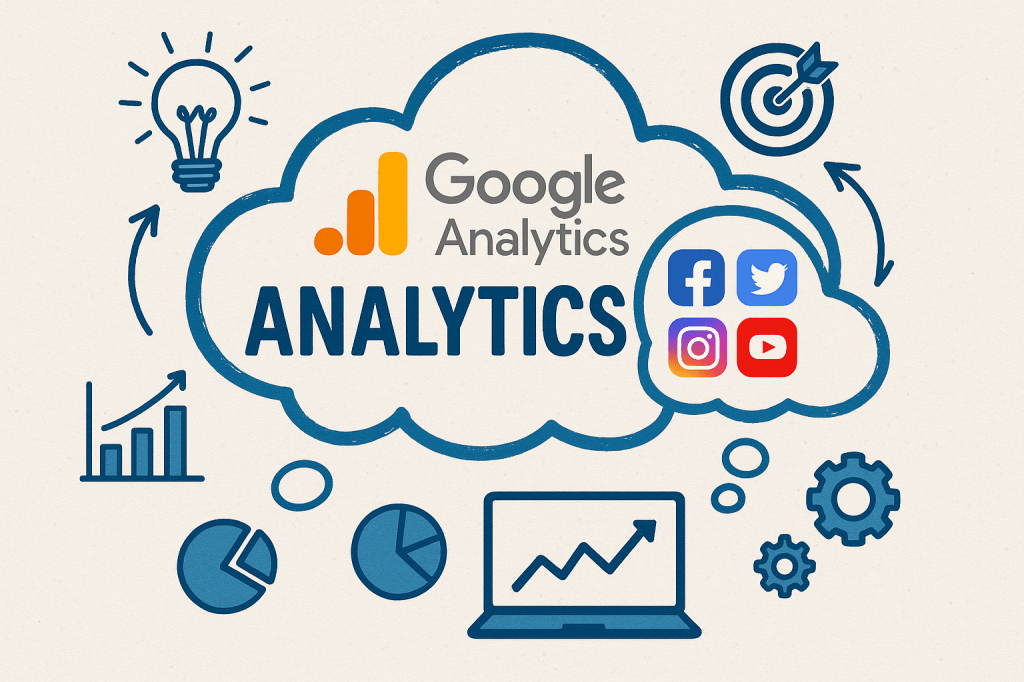
As I learn more about market segmentation, I’m beginning to understand how detailed and insightful the process becomes when marketers use data to truly understand their audience. Before taking this class, I pictured segmentation as choosing age groups, income levels, or locations. Now I’m starting to see how much more thoughtful and layered it can be, especially when marketers use tools like Google Analytics and social listening platforms to guide their decisions.
Using Google Analytics to Identify Audience Patterns
Google Analytics is one tool that has helped me see how much information is available to marketers. At first glance, the dashboard can feel overwhelming, but once you learn what the data represents, it becomes incredibly useful. Google Analytics provides details about who is visiting a website, how they got there, and what they did once they arrived. This includes demographic information, user behavior, device types, and engagement patterns.
According to Forbes, Google Analytics helps businesses understand user behavior so they can create more targeted and effective strategies (Forbes Business Council, 2022). This matters for segmentation because it shows marketers not only who their audience is but also what they respond to. For example, if most website visitors are browsing on mobile devices, the brand knows to prioritize mobile optimization. If certain pages get a lot of traffic but people leave quickly, the company may need to adjust messaging or layout.
Insights like these help marketers build a stronger marketing plan. They can tailor their messaging, choose the right platforms, and develop content that aligns with the behavior patterns of their audience.
Using Social Listening to Hear the Customer’s Voice
While Google Analytics focuses on what people do, social listening focuses on what people say. Social listening platforms like Sprout Social track online conversations, hashtags, reviews, and trending topics across social media. This allows marketers to understand how consumers talk about a brand or industry in real time.
Sprout Social explains that social listening helps businesses uncover audience sentiment, understand preferences, and identify emerging trends so they can respond more effectively (Sprout Social, 2024). I like this approach because it gives marketers the chance to hear what consumers are saying in their own words. People often express their honest thoughts on social media, whether they are sharing excitement, disappointment, or recommendations.
This information supports segmentation by showing what different groups care about and how they behave online. If a certain audience segment consistently discusses sustainability or customer service, those insights can guide messaging and product decisions. When marketers include this information in their marketing plan, they can create campaigns that feel more authentic and relevant.
Why These Tools Matter for Building a Marketing Plan
Both Google Analytics and social listening are helpful because they give marketers a more complete picture of their audience. Segmentation becomes more accurate when it is based on real data and real conversations instead of assumptions. Google Analytics provides measurable patterns and behavior insights. Social listening adds emotional context and consumer voice.
Together, these tools help marketers build marketing plans that reach the right people with the right message at the right time.
Conclusion
Learning about these tools has helped me appreciate how much thought goes into understanding consumer behavior. Market segmentation is not simply a checklist. It is a process of paying attention to what people do and what they say. Google Analytics and social listening make that possible by giving marketers access to the patterns and conversations that shape consumer decisions. As I continue this course, I am beginning to see how important these tools are for building marketing plans that actually meet the needs of the audience.
Hi, I’m Lynnea. I’m a marketing student, lifelong learner, and curious human who believes that marketing is really just another way of studying people. Marketing Adventure is where I explore what makes brands memorable, why consumers behave the way they do, and how creativity and strategy work together to shape the world around us.
I didn’t start in marketing. I’ve worked in coffee shops, libraries, call centers, and care settings. All of these places taught me one important truth: people want to feel seen, heard, and understood. That’s true in life, and it’s true in business. Now I’m turning that insight into a career built on empathy, research, and storytelling.
This blog is part journal, part learning lab, and part backstage pass into my journey form student to strategist. If you’re interested in branding, consumer psychology, AI in marketing, ethical business, or just figuring things out one step of a time, you’re in the right place. Welcome to the adventure.
When I think about how well a company understands its customers, Michaels comes to mind. I recently bought two skeins of chunky Bernat yarn for a blanket I am making for my daughter. I have recently become more aware of marketing strategies that companies use because of the marketing classes I have taken. Michaels has an app that sends personalized coupons, a rewards program that tracks crafting habits, and text messages with limited time offers. It is clear that they understand that today’s crafters are not a single type of customer. They are students, parents, grandparents, small business owners, and hobbyists who sell their creations online.
Market Segments and Strategies
Michaels uses several segmentation strategies to appeal to its broad audience. Demographically, they target adults, mostly women, between their mid-twenties and sixties who enjoy arts, crafts, and home decor. According to Mintel (2025), women are more likely than men to engage in creative hobbies such as knitting, crocheting, and home décor projects, which aligns with Michaels’ target audience. Psychographically, they focus on creative self-expression and the satisfaction that comes from making something by hand. I can testify to that feeling. Michaels’ messaging taps into the emotional value of crafting by emphasizing creativity, relaxation, and the joy of giving handmade gifts. Behaviorally, the company uses loyalty data to send personalized discounts based on previous purchases, such as yarn coupons for knitters or paint offers for artists. Geographically, they tailor promotions to local store events or seasonal weather patterns, such as promoting indoor crafts during Ohio’s cold winters.
Key Points for Effective Segmentation
There are a few lessons marketers can learn from Michaels’ approach:
Use data to personalize outreach. Apps, websites, and rewards programs provide insight into what customers actually buy and how often they shop.
Connect emotionally, not just functionally. Crafting fulfills deeper needs for creativity and stress relief, so messaging should reflect those values.
Be consistent across channels. Michaels integrates its website, app, texts, and in-store promotions, creating a unified shopping experience.
Adapt to customer behavior. As shoppers shift from printed mailers to digital content, Michaels adjusted its strategy rather than clinging to older formats.
Reward loyalty. Exclusive coupons and early sale alerts keep customers engaged and feeling appreciated.
A New Market Segment to Explore
One new market segment I have noticed emerging is younger eco-conscious crafters. These customers want sustainable materials and zero-waste project ideas. Many of them shop online for recycled or organic yarn, natural dyes, or upcycled craft supplies. Mintel’s (2025) research shows that younger consumers are increasingly motivated by sustainability and prefer brands that offer eco-friendly materials and responsible sourcing. Michaels could attract this group by expanding its eco-friendly product line and creating a segmentation strategy focused on sustainability. This could include a “Green Crafting” category online, social media tutorials on using repurposed materials, and a loyalty bonus for recycling craft packaging in stores.
Connecting to Consumer Behavior
According to Consumer Behavior by Babin and Harris (2021), market segmentation helps companies create greater value by aligning products and messaging with the unique motivations of each group. Michaels demonstrates how understanding customer lifestyles, emotions, and buying patterns can strengthen loyalty and enhance the overall shopping experience. By keeping up with changing values such as sustainability, Michaels can continue to inspire creativity and maintain its position as a leader in the crafting industry.Connecting to Consumer Behavior
Conclusion
Michaels is a great example of how effective segmentation can turn a simple craft store into a personalized experience for every kind of creator. By understanding who its customers are, what motivates them, and how their values evolve, Michaels has built a brand that feels both familiar and forward-thinking. As crafting trends continue to change, the company’s ability to adapt its segmentation strategies will be what keeps customers coming back—whether they are lifelong knitters or new eco-conscious makers exploring their first DIY project.
Hi, I’m Lynnea. I’m a marketing student, lifelong learner, and curious human who believes that marketing is really just another way of studying people. Marketing Adventure is where I explore what makes brands memorable, why consumers behave the way they do, and how creativity and strategy work together to shape the world around us.
I didn’t start in marketing. I’ve worked in coffee shops, libraries, call centers, and care settings. All of these places taught me one important truth: people want to feel seen, heard, and understood. That’s true in life, and it’s true in business. Now I’m turning that insight into a career built on empathy, research, and storytelling.
This blog is part journal, part learning lab, and part backstage pass into my journey form student to strategist. If you’re interested in branding, consumer psychology, AI in marketing, ethical business, or just figuring things out one step of a time, you’re in the right place. Welcome to the adventure.
When I look at my own buying habits, I can see that I don’t really fit into just one neat marketing box. I’m a Gen Xer, a mom of four grown kids, a barista, a college student, and someone who lives on a modest income while trying to live with intention. I care deeply about authenticity, sustainability, and people. I was raised in a conservative religious home. However, over time I’ve deconstructed a lot of what I was taught. I’ve chosen to keep the values rooted in love, justice, and empathy. All of that influences how and why I buy the things I buy.
What Influences My Buying Decisions?
Here are a few key things that shape the way I decide what to buy:
Values– I care about sustainability, social responsibility, DEI, political connections, and whether a company treats people well.
Function Over Impulse– If it doesn’t genuinely solve a problem, it doesn’t need to come home with me.
Budget Realities– As a lower income earner, I evaluate worth, not just price. Sometimes the “cheaper” option costs more in the long run.
Brand Transparency– I don’t have to agree with a brand on everything, but if they’re openly harmful, I’ll pass.
Life Stage– I am in my fifties, in a same sex marriage, building a new career, sharing a home with grown children, and trying to live with intention. That combination affects what I buy and what I walk away from.
Which Stage Actually Leads to My Purchases?
The stage that usually pushes me from thinking to buying is the evaluation of alternatives.
I rarely impulse buy. I read reviews. I compare products. I watch videos. I might even read the comment section (although that’s not always great for mental health). I ask myself: Does this align with who I am and how I want to live?
If I’m still thinking about the product after few days, it usually means one of two things:
I genuinely need it.
It fits both my personal values and my practical needs.
According to the VALS lifestyle segmentation, I fall somewhere between a Thinker and a Believer, with a splash of Maker and Experiencer mixed in. I value knowledge, practicality, family, creativity, and purpose. I don’t chase trendy products or buy things just to impress others. Instead, I ask myself whether something lines up with my values, my budget, and my lifestyle. I’m also the type of person who will thoroughly research a product and the company’s ethics before clicking “add to cart” (Babin & Harris, 2021).
That’s when I buy.
How Marketing Research and Design Influence Me
Good marketing design matters to me, but not in a superficial sense. I pay attention to:
Whether the brand understands its audience
Whether they’re using manipulative fear-based messaging or thoughtful storytelling
Whether they’re being disrespectful to any group of people
Whether their design reflects truth or just performs “relatability” for clicks
Whether they’ve done their homework on what people actually need.
I’m most drawn to brands that seem to care, just as much or more, about people as their profits. I don’t mind being marketed to, as long as I’m respected in the process.
Do I Experience Post-Purchase Behavior?
Yes, I do. I sometimes feel buyer’s remorse if I break my own values or choose something that does not last. For instance, why is it that my parents had the same vacuum cleaner from the time I was little until after I graduated high school, but I cannot seem to own one that works longer than three years? Or why could my grandma have a refrigerator from the 1950s that lasted until the early 2000s, but the expensive one I bought is already dying after seven years? I also feel a sense of disappointment when I sign up for a service only to learn that the company has chosen to act unethically or disrespect certain consumers. A good example is when I switched to T-Mobile because they openly supported DEI, only to watch them walk back those values later.
On the other hand, when I buy something thoughtful, durable, and aligned with my beliefs, I feel a sense of satisfaction and even pride. For me, the emotion after a purchase is not just about whether the product works. It is about whether the decision reflects the kind of world I want to support with my money.
Final Thoughts
I am not the kind of consumer who can be fully persuaded by bright packaging or trendy influencers. I am a values-driven, research-loving, empathy-first Gen Xer who believes consumer choices are tiny statements of identity. I also believe that what I choose to buy helps shape the world my kids and grandchildren will inherit. I do not always get it right, but I try to let my heart, my budget, and my conscience share the same table before I buy. While I cannot control the whole marketplace, I can control the impact of my cart.
Hi, I’m Lynnea. I’m a marketing student, lifelong learner, and curious human who believes that marketing is really just another way of studying people. Marketing Adventure is where I explore what makes brands memorable, why consumers behave the way they do, and how creativity and strategy work together to shape the world around us.
I didn’t start in marketing. I’ve worked in coffee shops, libraries, call centers, and care settings. All of these places taught me one important truth: people want to feel seen, heard, and understood. That’s true in life, and it’s true in business. Now I’m turning that insight into a career built on empathy, research, and storytelling.
This blog is part journal, part learning lab, and part backstage pass into my journey form student to strategist. If you’re interested in branding, consumer psychology, AI in marketing, ethical business, or just figuring things out one step of a time, you’re in the right place. Welcome to the adventure.
Facebook once reigned as the champion of social networking. Over the years, it transformed from a student-founded tech startup into a global tech giant. Now operating under the umbrella of Meta, the company oversees multiple platforms including Instagram, WhatsApp, and Threads. Despite its expansive reach, Facebook remains the flagship. It is the platform most deeply connected to both Meta’s rise and its most serious ethical failures.
As technology continues to evolve, ethical behavior has become not just an expectation but a necessity. In an industry built on data, innovation, and constant change, every decision can add value. It can also erode trust. We’ve come a long way from the days of MySpace and early online messaging. Today, companies like Facebook sit at the center of global communication, which means their ethical choices impact billions of people.
For tech companies, ethics are more than a policy. They are the framework for decision-making, consumer trust, and long-term sustainability. When those standards are broken, the consequences ripple across users, investors, and society itself.
Ethical and Legal Trouble
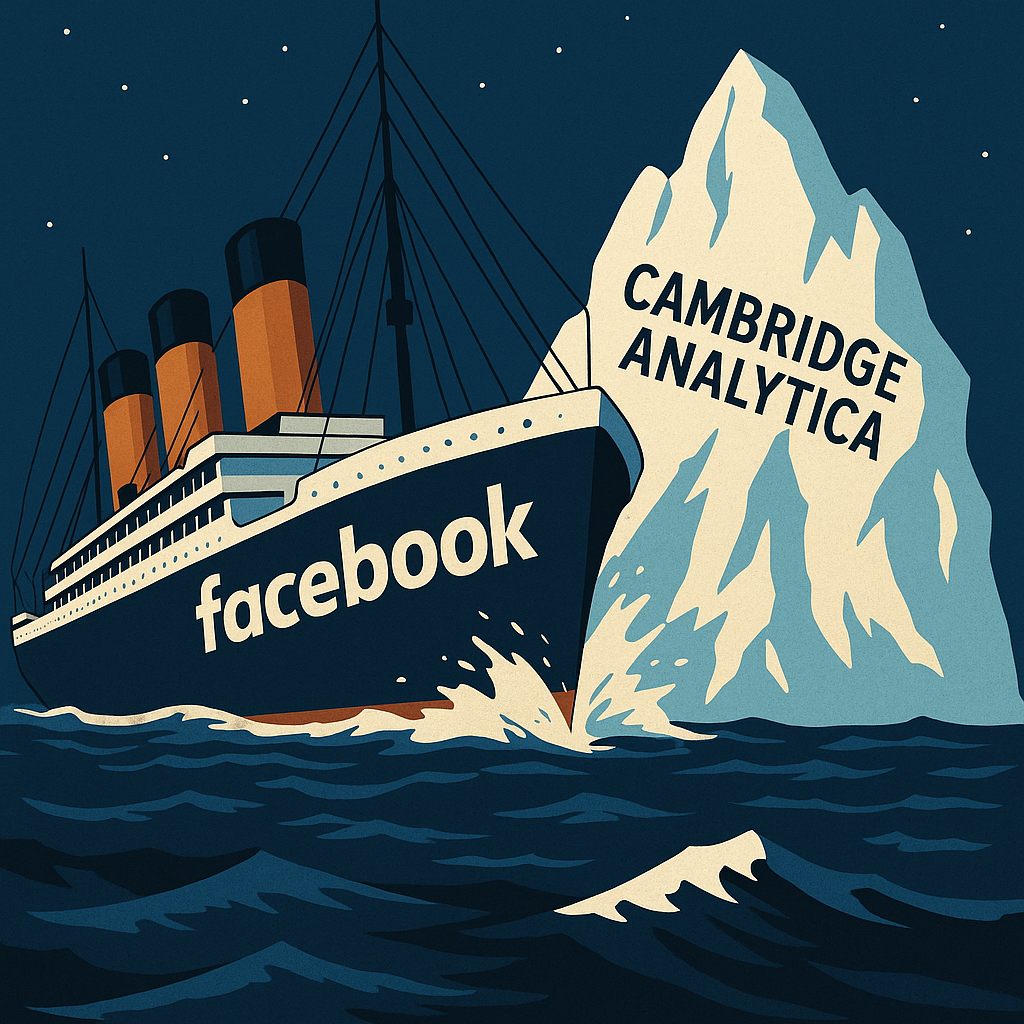
In 2018, Facebook found itself at the center of a global controversy when it was revealed that Cambridge Analytica had improperly accessed personal data of up to 87 million Facebook users, many without their informed consent (Schneble et al., 2018). This data came from a third-party quiz app. The app collected information from its users and from their connected friends. This all happened without explicit knowledge or consent from those users.
Cambridge Analytica used this data to create psychological profiles. They allegedly influenced voter behavior in major political campaigns, including the 2016 U.S. presidential election. The scandal exposed severe weaknesses in Facebook’s data-sharing policies. While the platform had allowed third-party data harvesting for years, users lacked awareness of how their information is repurposed. This raised urgent ethical questions about transparency, informed consent, and responsibility on the part of tech platforms in protecting privacy.
Following public outcry, Facebook faced major investigations, including from the Federal Trade Commission. The platform came under intense legal pressure, and the scandal became one of the most high-profile privacy cases in tech history (Isaak & Hanna, 2018).
Facebook’s ethical missteps highlighted a broader challenge for consumers: the lack of control and transparency in the digital age (Schneble et al., 2018). Users often do not understand how their data is collected or used, which creates an uneven power dynamic between platforms and the people who use them. This perception of power imbalance, combined with limited legal protection at the time, further weakened consumer trust.
Impact on Consumer Perception and Engagement
Public outrage after the Cambridge Analytica scandal was loud and immediate, but user behavior painted a more complex picture. Many people voiced concerns about their privacy, yet continued using the platform as usual. Emotional attachment to Facebook, along with its usefulness for staying connected socially and professionally, made it difficult for users to walk away. The lack of real alternatives only reinforced this dependence. Although frustrations were high, usage remained steady for many (Brown, 2020).
Facebook’s trust deficit deepened over time. According to a 2025 report, only 18% of U.S. social media users trust Facebook to protect their personal data. In comparison, 31% say they are not at all confident in platforms’ ability to safeguard their information (Usercentrics, 2025). Gen Z users, in particular, have emerged as the most privacy-conscious. They demand greater control over their data and more ethical behavior from digital platforms (Amra & Elma, 2025).
The platform’s response—including marketing efforts focused on transparency and user control—did little to shift these perceptions. Many users began adjusting their behaviors rather than leaving outright, limiting what they shared, or turning off location settings. While engagement stayed high, loyalty diminished, and skepticism continued to grow.
Long-Term Implications for the Brand
The Cambridge Analytica scandal marked a turning point for Facebook. What began as a single instance of unethical data use soon evolved into a broader reckoning with the company’s role in society. The fallout was not just about one privacy breach, but about the kind of power Facebook held over public opinion, personal data, and democratic processes.
In the months and years following the scandal, Facebook invested heavily in damage control. The company issued public apologies, made appearances before Congress, and updated its privacy settings in an effort to regain user trust. In 2021, the company rebranded as Meta. It shifted its public focus from social networking to building a future in virtual and augmented reality.
While these moves signaled change, public skepticism remained. The rebrand was seen by some as a distraction tactic rather than a genuine transformation. Digital trust had already eroded, and many users now viewed Facebook with caution. The platform’s reputation as a social connector had shifted into one of surveillance, manipulation, and misinformation (Lathan, 2023).
Despite this, Facebook (Meta) remains one of the most-used platforms in the world. Its scale and infrastructure continue to support billions of users and advertisers. This suggests that ethical failings alone may not be enough to dismantle a dominant brand. However, consumer expectations have changed. People now demand more transparency, accountability, and ethical leadership from tech companies. Facebook has become a symbol of what happens when those expectations are not met.
What Could Meta Have Done Differently?
Looking back, Facebook could have taken several key actions. These actions might have prevented or reduced the damage caused by the Cambridge Analytica scandal. The most critical failure was a lack of transparency. From the beginning, Facebook should have clearly communicated to users how their data could be accessed and used by third-party applications. Instead, these permissions were buried in complex terms of service that most users never read or understood.
Another major misstep was the company’s delayed response. When Facebook learned in 2015 that Cambridge Analytica had obtained user data without consent, the platform failed to inform the public until the story broke years later. By choosing silence over disclosure, Facebook not only damaged its credibility but also allowed the misuse of data to continue unchecked. An earlier, honest admission could have helped preserve trust and shown a commitment to user protection.
Facebook also lacked meaningful oversight of its own platform. Stricter internal controls and regular audits of third-party developers could have prevented the massive scale of the data breach. Rather than prioritizing growth and engagement metrics, the company should have focused more on ethical safeguards and user well-being.
Most importantly, Facebook needed to treat ethical decision-making as a core value, not a public relations strategy. Investing in stronger ethical leadership, clearer data policies, and consumer education could have strengthened the brand and helped rebuild long-term trust.
Conclusion
The Cambridge Analytica scandal exposed the risks that come with rapid innovation and unchecked influence in the tech industry. For Facebook, the fallout was not just a temporary image crisis. It reshaped how consumers and regulators view the responsibilities of digital platforms. The incident demonstrated that when a company neglects transparency and user trust, it risks not only legal consequences but also long-lasting damage to its brand.
While Facebook (now Meta) remains a dominant force in the tech world, its reputation has shifted. What was once a platform for connection and community is now also associated with surveillance, misinformation, and ethical blind spots. Recovering from such a crisis requires more than a rebrand or an apology. It requires a genuine commitment to ethical leadership, accountability, and user empowerment.
Consumers are becoming more aware of how their data is used. Younger generations are demanding higher standards from the brands they engage with. As a result, companies like Meta face a choice. They can either lead the way in ethical innovation or continue to face the consequences of putting profits before people. In the end, it is genuine ethical behavior that builds a foundation strong enough to support long-term brand loyalty and meaningful consumer engagement.
What do you think Meta needs to do to earn back your trust? Have you changed your social media habits due to privacy concerns? Share your thoughts below!
Brown, J. (2020). Users’ reactions to the Cambridge Analytica scandal: Trust, behavior, and data privacy. Social Media + Society, 6(2), 1–12. https://doi.org/10.1177/2056305120913884
Isaak, J., & Hanna, M. J. (2018). User data privacy: Facebook, Cambridge Analytica, and privacy protection. Computer, 51(8), 56–59. https://doi.org/10.1109/MC.2018.3191268
Lathan, K. (2023). The evolution of trust in digital platforms post-Cambridge Analytica. Journal of Digital Ethics and Privacy, 9(1), 25–42.
Schneble, C. O., Elger, B. S., & Shaw, D. M. (2018). The Cambridge Analytica affair and Internet-mediated research. EMBO Reports, 19(8), e46579. https://doi.org/10.15252/embr.201846579
Hi, I’m Lynnea. I’m a marketing student, lifelong learner, and curious human who believes that marketing is really just another way of studying people. Marketing Adventure is where I explore what makes brands memorable, why consumers behave the way they do, and how creativity and strategy work together to shape the world around us.
I didn’t start in marketing. I’ve worked in coffee shops, libraries, call centers, and care settings. All of these places taught me one important truth: people want to feel seen, heard, and understood. That’s true in life, and it’s true in business. Now I’m turning that insight into a career built on empathy, research, and storytelling.
This blog is part journal, part learning lab, and part backstage pass into my journey form student to strategist. If you’re interested in branding, consumer psychology, AI in marketing, ethical business, or just figuring things out one step of a time, you’re in the right place. Welcome to the adventure.
Starbucks’ story began in 1971 at Seattle’s historic Pike Place Market. It has since grown into an international coffee powerhouse. With a long-standing reputation for social responsibility, community engagement, and premium-quality coffees, Starbucks has profoundly reshaped the global coffee landscape. According to the company, their mission is:
“With every cup, with every conversation, with every community- we nurture the limitless possibilities of human connection.”
Their broader aspiration is to be people centered, creating positive change wherever they do business. That means caring for the well-being of their employees (or “partners”), supporting the farmers who grow their coffee, and showing up for the customers and communities they serve (Starbucks, n.d.). In this post, I’ll explore how recent ethical and public image challenges have tested this narrative and influenced consumer engagement.
Ethical or Legal Issues
A lawsuit filed in April 2025 brought attention to labor conditions on Brazilian coffee farms connected to Starbucks through a supplier relationship. The case, brought by International Rights Advocates, alleged that workers were misled by recruiters, promised fair wages and housing, and instead faced unsafe conditions and unfair deductions. This treatment that may meet the legal definition of forced labor under U.S. law (Associated Press, 2025). The situation challenged Starbucks’ long-standing emphasis on ethical sourcing and raised important questions about oversight in complex global supply chains.
At the same time, Starbucks faced internal concerns related to partner (employee) experience. In mid 2025, baristas at some locations reported feeling pressured to write uplifting messages on customer cups. While the intent was to foster connection and positivity, the shift from a voluntary act to something that felt expected caused some partners to question its authenticity (Secon, 2025).
These examples show the importance of aligning brand values with day-to-day realities. When a company builds its reputation on ethics, transparency, and human connection, even small disconnects can influence how both consumers and employees engage with the brand.
Consumer Perception and Engagement
These ethical concerns have had a noticeable impact on how consumers view and interact with the Starbucks brand. For many customers, the lawsuit brought into question the strength of Starbucks’ ethical sourcing claims. This is especially true for those who value fair labor and transparency. While the company has long promoted its C.A.F.E. Practices and partnerships with supply chain certifiers, stories of worker mistreatment have emerged. These stories created uncertainty about whether those standards are consistently upheld. This disconnect can lead to disappointment. It can also foster distrust, especially among socially conscious consumers. These consumers expect more from brands that speak openly about their values.
Recent consumer research supports this shift. According to Mintel (2025), 66% of consumers actively research brands to verify their eco and ethical claims. Younger generations are especially attuned to these values. Gen Z and Millennial generations in particular prioritize ethical workplace practices. They emphasize social justice and transparency. This means they are more likely to hold brands accountable for missteps.
The internal concerns around cup messaging also added to this evolving perception. Customers may appreciate a positive note on their cup. However, if they learn that baristas felt pressured to write them, it can make the gesture feel less genuine. In a brand built on connection and community, authenticity matters. When that authenticity comes into question, even small details can affect how people feel about their overall experience.
Despite these challenges, Starbucks still maintains a loyal customer base. Many consumers continue to support the brand because of the familiarity, convenience, and quality they associate with it. However, growing awareness of labor practices and internal culture may influence future engagement, especially as younger generations continue to drive demand for brands that live up to their ethical promises while remaining accessible.
Implications for the Brand
When a brand like Starbucks build its identity around human connection, ethical sourcing, and social impact, it invites the public to higher expectations. The recent controversies have challenged Starbucks to live up to its values in both its global supply chain and its in-store culture. If the company doesn’t address these situations with transparency, it risks eroding consumer trust, particularly among younger generations who are shaping the future of the market.
The situation also has internal implications. Starbucks partners are essential to the customer experience and are often consumers of Starbucks as well. If partners feel undervalued or pressured to perform scripted acts of connection, that may come across to customers and diminish the brand’s authenticity. A brand rooted in warmth and community must ensure that its culture supports the people delivering that experience every day.
That said, Starbucks is not without the tools to recover. Its strong brand recognition, loyal customer base, and long history of corporate social responsibility give it a platform to make meaningful changes. Transparency, accountability, and a renewed investment in both worker and supplier relationships will be important not only for future public perception but also for long-term brand equity.
What Could Have Been Done Differently
To maintain stronger consumer engagement and uphold its values, Starbucks could have taken a more proactive and transparent approach in responding to recent concerns. In the case of the labor allegations in Brazil, the company might have released a more detailed public statement acknowledging the seriousness of the claims and outlining immediate steps to review its supply chain partnerships. This could have included launching an independent investigation, publishing sourcing data, or increasing third-party auditing efforts to rebuild trust with ethically conscious consumers.
When it comes to the internal policy around writing uplifting messages on cups, Starbucks could have better supported its partners. They could have made it clear that the gesture was completely optional. It should not have been tied to performance expectations. Inviting partners to share their own creative ideas or positive messages voluntarily would have likely felt more authentic, for both partners and customers.
Conclusion
Starbucks has built its brand around more than just coffee. It represents connection, community, and a commitment to doing business responsibly. But as recent challenges have shown, maintaining that identity takes ongoing effort and accountability. Ethical sourcing issues and internal concerns about authenticity have impacted how consumers and employees engage with the brand, especially among younger generations who prioritize values, fairness, and transparency.
Moving forward, Starbucks has the opportunity to rebuild its practices more closely with its promises. When a brand centers people in its mission, that commitment has to be visible at every level. This includes everything from the farms where coffee is grown to stores where it is served. By listening, responding, and staying open to change, Starbucks can continue to evolve and grow. It will remain a brand that people and partners not only enjoy but also believe in.
Hi, I’m Lynnea. I’m a marketing student, lifelong learner, and curious human who believes that marketing is really just another way of studying people. Marketing Adventure is where I explore what makes brands memorable, why consumers behave the way they do, and how creativity and strategy work together to shape the world around us.
I didn’t start in marketing. I’ve worked in coffee shops, libraries, call centers, and care settings. All of these places taught me one important truth: people want to feel seen, heard, and understood. That’s true in life, and it’s true in business. Now I’m turning that insight into a career built on empathy, research, and storytelling.
This blog is part journal, part learning lab, and part backstage pass into my journey form student to strategist. If you’re interested in branding, consumer psychology, AI in marketing, ethical business, or just figuring things out one step of a time, you’re in the right place. Welcome to the adventure.
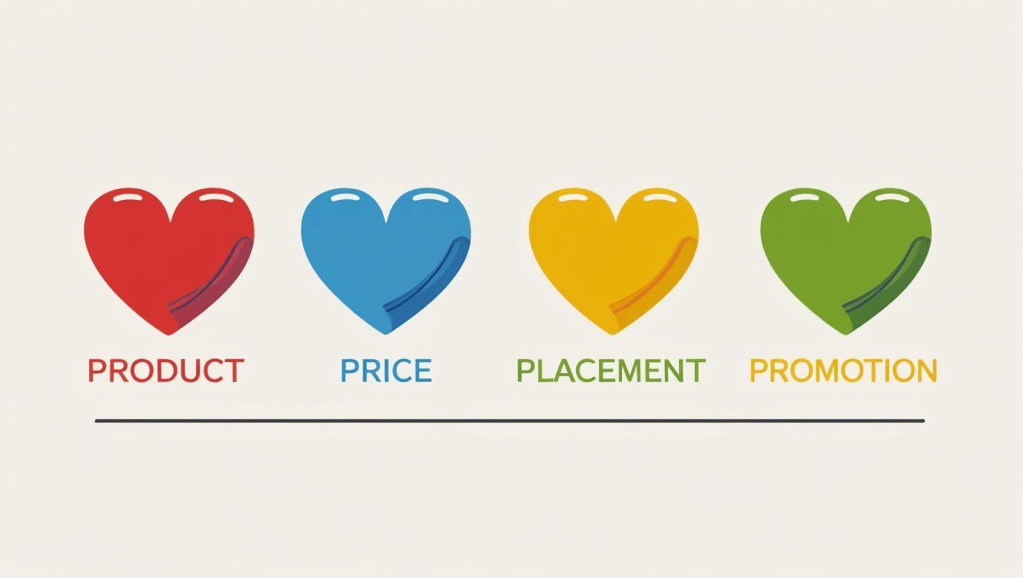
Storesina, L. (2025). Four Ps of marketing graphic [Custom graphic]. Canva.
Every brand has a story, and just like people, they go through different stages of growth. Some are just getting started, others are gaining momentum, and a few have become household names. In each stage, brands use the marketing mix (Product, Price, Promotion, and Place) to connect with customers and grow brand loyalty.
In this post, I’m spotlighting three brands at different stages of growth that I find interesting: Oatly (development), Liquid I.V. (growth), and Nike (maturity). Each one uses a smart mix of strategy and storytelling to stay visible, relatable, and meaningful to its audience. (Burtonshaw-Gunn,2008; Wheeler & Meyerson, 2024).
Oatly is one of those brands you recognize immediately when you see the playful packaging, the bold fonts, and the dry humor. It’s oat milk, but it’s oat milk with attitude.
Oatly Marketing Mix:
Product: Plant-based, dairy-free alternative products, designed for health conscious and eco-consious consumers.
Price: Premium, which reflects its ethical sourcing and niche identity.
Promotion: Eye-catching design and quirky messaging, especially across social media.
Place: Originally found in specialty health food stores, but now stocked at national grocery chains and coffee shops (including the one I work at!).
Impact on Brand Equity:
Oatly is still finding its place, but it’s doing a lot right. It’s using the 4Ps to stand out in a busy plant-based market (Burtonshaw-Gunn, 2008). What I admire most is how the brand connects emotionally. It doesn’t just sell oat milk. It sells a message of sustainability and individuality. Its packaging and tone are instantly recognizable, which helps build that crucial early brand recognition and trust (Wheeler & Meyerson, 2024).
If you’ve seen an influencer mixing up a hydration packet before their workout, chances are, it was Liquid I.V. This brand has taken off in the wellness world, and for good reason.
Liquid I.V. Marketing Mix:
Product: Single-serve drink powders in multiple flavors designed for hydration, energy, and wellness.
Price: Slightly above standard drink mixes, but positioned as a health and performance upgrade.
Promotion: Big presence on TikTok, YouTube, and through influencer and podcast partnerships.
Place: Sold online at first, but now in big-name stores like Target, Walgreens, and Costco.
Impact on Brand Equity:
Liquid I.V. shows how to scale with style. It uses the 4Ps to build a clear, helpful brand image and it’s working. Social media content, wellness-focused messaging, and easy access at national retailers make it easy for customers to discover and trust them (Burtonshaw-Gunn, 2008). The brand also feels friendly and human, which helps create loyalty in a sea of wellness products (Wheeler & Meyerson, 2024).
Nike hardly needs an introduction. It has been at the top of the game for decades. But what’s impressive is how it keeps things fresh, relevant, and emotionally connected.
Nike Marketing Mix:
Product: Innovative shoes, athletic wear, gear, and tech (like the Nike app and smart gear).
Price: Premium, with some tiered offerings for broader accessibility.
Promotion: Legendary campaigns with athletes and causes; the “Just Do It” slogan remains iconic.
Place: Everywhere. You can purchase Nike products online, in stores, and across the globe.
Impact on Brand Equity:
Nike continues to use the marketing mix not just to sell, but to inspire (Burtonshaw-Gunn, 2008). Its campaigns tell powerful stories, from equality to motivation, and that emotional pull keeps customers connected far beyond the checkout line (Wheeler & Meyerson, 2023). It’s a great example of how mature brands can evolve without losing their identity.
Bringing It All Together:
Whether a brand is just starting out, catching its stride, or at the top of its game, the 4Ps offer a roadmap to connection and growth. Each stage comes with its own challenges, and opportunities, but thoughtful strategy and authentic storytelling can carry a brand all the way.
From Oatly’s clever beginnings to Liquid I.V.’s influencer-fueled rise and Nike’s legendary status, these brands show how smart marketing from the heart, building lasting brand equity. As a future marketer, it’s exciting to see how creativity and strategy can come together to help brands grow, adapt, and thrive.
References:
Burtonshaw-Gunn, S. (2008). The essential management toolbox: Tools, models and notes for managers and consultants. John Wiley & Sons.
Wheeler, A., & Meyerson, R. (2024). Designing brand identity: An essential guide for the whole branding team (6th ed.). Wiley.
Hi, I’m Lynnea. I’m a marketing student, lifelong learner, and curious human who believes that marketing is really just another way of studying people. Marketing Adventure is where I explore what makes brands memorable, why consumers behave the way they do, and how creativity and strategy work together to shape the world around us.
I didn’t start in marketing. I’ve worked in coffee shops, libraries, call centers, and care settings. All of these places taught me one important truth: people want to feel seen, heard, and understood. That’s true in life, and it’s true in business. Now I’m turning that insight into a career built on empathy, research, and storytelling.
This blog is part journal, part learning lab, and part backstage pass into my journey form student to strategist. If you’re interested in branding, consumer psychology, AI in marketing, ethical business, or just figuring things out one step of a time, you’re in the right place. Welcome to the adventure.











 Marketing Adventure